Sweep FAQs
Everything you wanted to know about street sweeping but were too busy moving your car to ask.
When did street sweeping start and who started it?
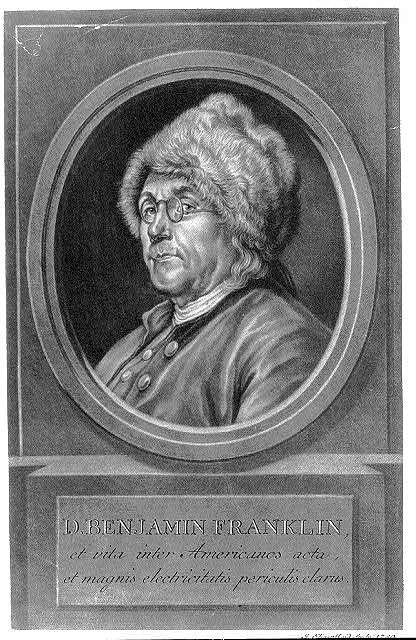
The first organized public street sweeping was started by Benjamin Franklin. He proposed the idea in 1762, and it took about 7 years to get started. At that time, Philadelphia’s streets were filled with nasty things like manure, food scraps, chamberpot refuse, and more. Franklin’s sweep initiative got brooms in the hands of workers to prioritize the streets and sidewalks and keep them clean and clear. Because of his efforts, Philadelphia at one time had a reputation as a clean city.
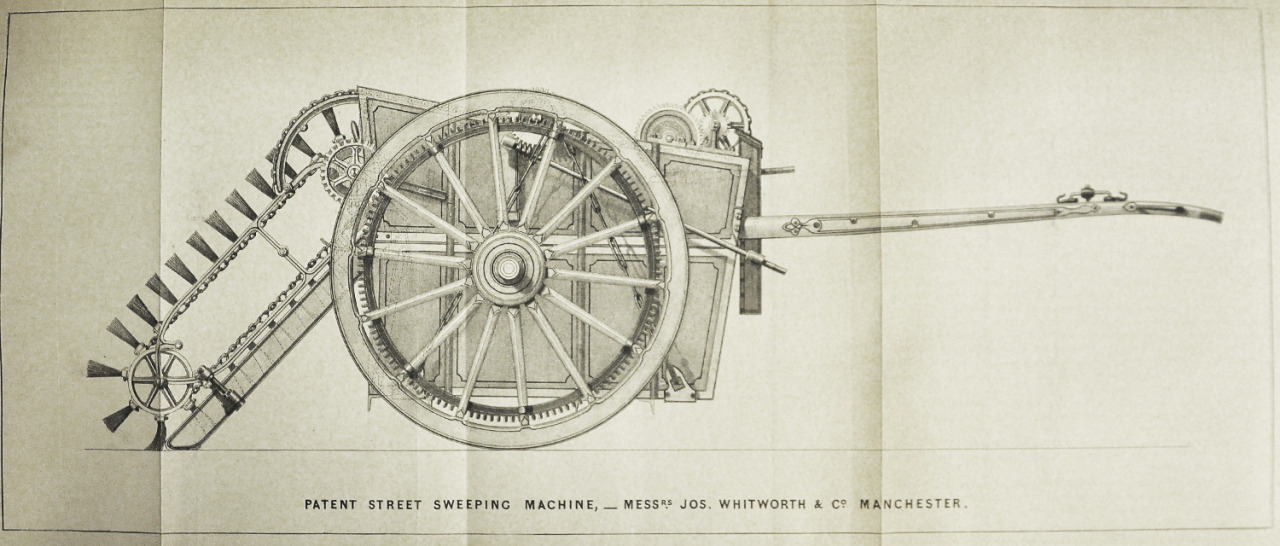
Sweeping became mechanized much later. In 1843 in Manchester, England, Joseph Whitworth invented a horse-drawn mechanical sweeper.
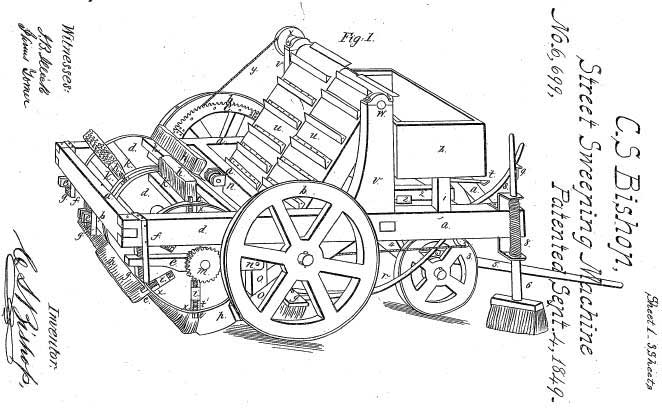
In 1849, C.S. Bishop filed a U.S. patent for another horse-drawn variation.
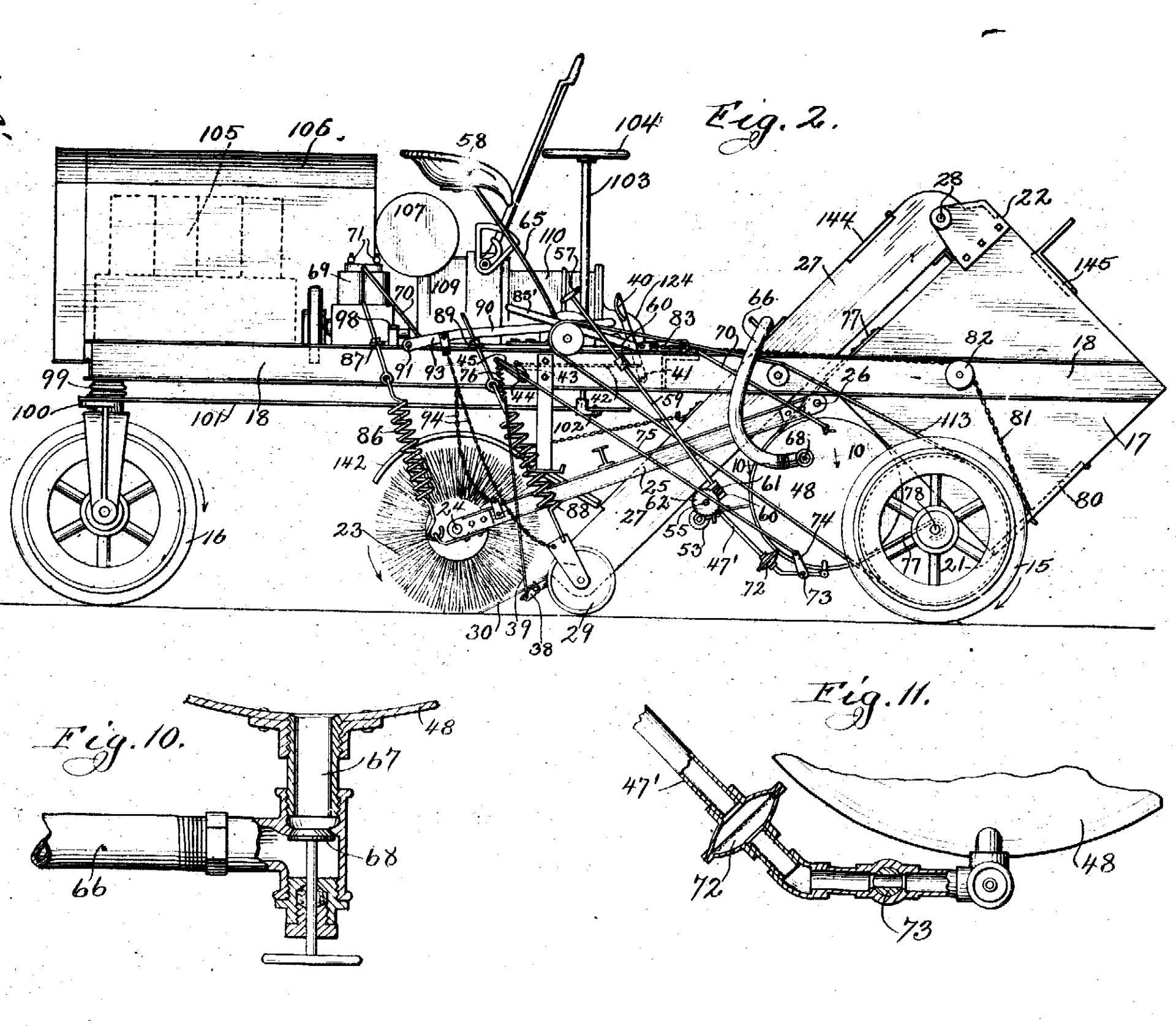
Motorized street sweeping was invented by a company in Elgin in 1914 and the first three-wheeled motorized sweeper was deployed in Boise, Idaho. That three-wheel design is still used in that very same company’s sweepers, which are used in Lancaster today. The “Pelican.”
Why do cities sweep the streets?
The main reason is water quality: most municipal storm drains lead directly to rivers, lakes, or the ocean, so anything that accumulates on the street (sediment, leaves, oil, tire rubber, brake dust, heavy metals) ends up there after the next rain. Lancaster is no exception. Since the Clean Water Act of 1972, the EPA has considered regular street sweeping a best management practice for controlling stormwater pollution. For Lancaster and cities in our region, actually, one of the main environmental concerns is the runoff from cities into the waterways that eventually end up in the Chesapeake water system. The Lancaster Parking Authority says that it removes approximately 1.2 million pounds of trash and litter from the streets that would otherwise end up the waterways and sewer system.
But really? Does it actually clean the streets?
Yes, but it depends heavily on the equipment. Modern regenerative-air and vacuum sweepers genuinely work. A 2024 Toronto study found a regenerative-air sweeper removed 76% of thoracic-sized (<10μm) road dust on average, and well-run programs can cut stormwater pollutant loads by up to 80%. Here’s the study.
And here’s a good rundown comparing the three different types of sweepers from the Minnesota Water Resource Center.
What type of street sweepers does Lancaster have?
From what I’ve seen, it’s the Elgin Pelican, which has been an industry standard of the mechanical broom type. In fact, Elgin (in Elgin, Illinois) is considered the origin of the motorized street sweeper. They supplied that first motorized street sweeper to Boise, ID and now motorized street sweeping is done in 10s of 1000s of U.S. municipalities.
Here’s the official line from the manufacturer:
The Elgin® Pelican® broom sweeper is a three-wheel mechanical sweeper based on one of the original street sweeper designs, which has been continuously improved since 1914, meeting the highest sweeper standards. Maneuverability, visibility, economy, serviceability, and single-lane dumping with a sweep system that easily handles heavily compacted dirt and bulky debris are all features of the Elgin Pelican. An isolation-mounted cab provides a cleaner, quieter operation, and the improved 360-degree visibility and easier access for service and maintenance make the Elgin Pelican an industry leader in road sweepers.
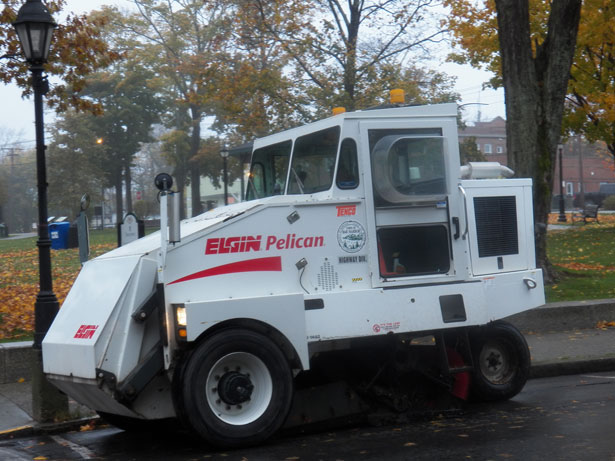
As in Lancaster, most of the street sweepers currently in service in the U.S. are the older mechanical broom type. (Source) These are much better at moving and picking up visible debris than capturing fine particles from the roadways (which is the whole purpose of the environmental mandate). But it does serve other purposes, like clearing the storm drains and removing litter that would drift down drains and into the Chesapeake.
Isn’t street sweeping just a money grab by cities!?
Street sweeping tickets are among the most common parking citations issued in major U.S. cities. And they do bring in a ton of money for cities. Lancaster gave out around 160,000 parking tickets in a recent year, and a large portion of those were sweeping tickets. New York City issued two MILLION street cleaning tickets last year. At ticket prices that could run around $45–65, that’d be around 110 million dollars. So there’s definitely real money flowing in. However, street sweeping also costs money to operate. It’s not a cost that’s typically broken out in cities’ budgets, so it’s tough to be sure exactly how much it is. But running the mechanical broom sweepers, the labor, all the maintenance and fuel, plus the cost to issue and collect tickets likely costs more than it brings in from fines.
So what if I get a street sweeping ticket?
Not a lawyer but…A Lancaster street-sweeping ticket is just $25 if you pay it on time. But if you don’t pay within 15 days after the parking ticket is issued and the Bureau of Police mails a notice, an additional $10 is tacked on; if it’s not satisfied within 30 days, the violator is prosecuted, and once it hits the magistrate the floor is $35 and the ceiling is $200 plus court costs. You can get all the details here.
You can dispute the ticket if you have legitimate grounds. If the sweep sign is missing or illegible, take a photo so you have evidence. If you moved your car before the street sweeping window, that might be tougher to prove. A dash cam video might help in that case.
In any case, sometimes you got to take the hit. Come back and visit Beat the Sweep, set your reminder, and never get another ticket.
In Lancaster?
Open the interactive map to find your sweeping route and add a recurring reminder to your calendar — no app, no signup.
Open the Lancaster map